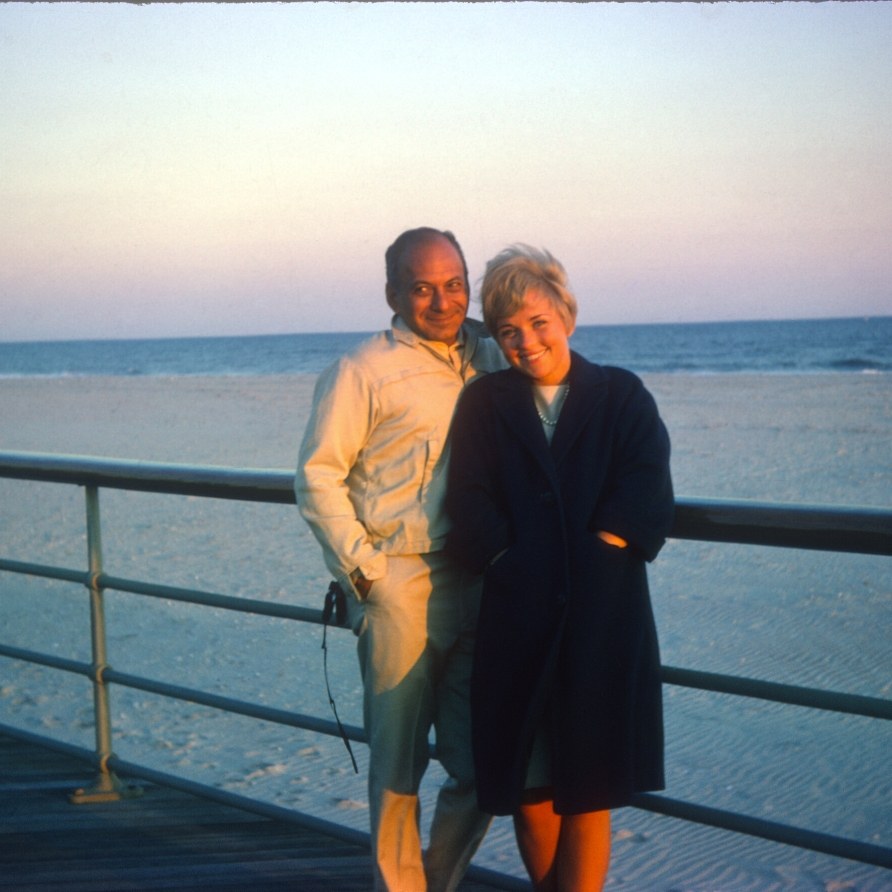
She was the sun this family turned toward.
Every foundation begins somewhere. This one begins with a woman, a family, and the six months that changed everything.
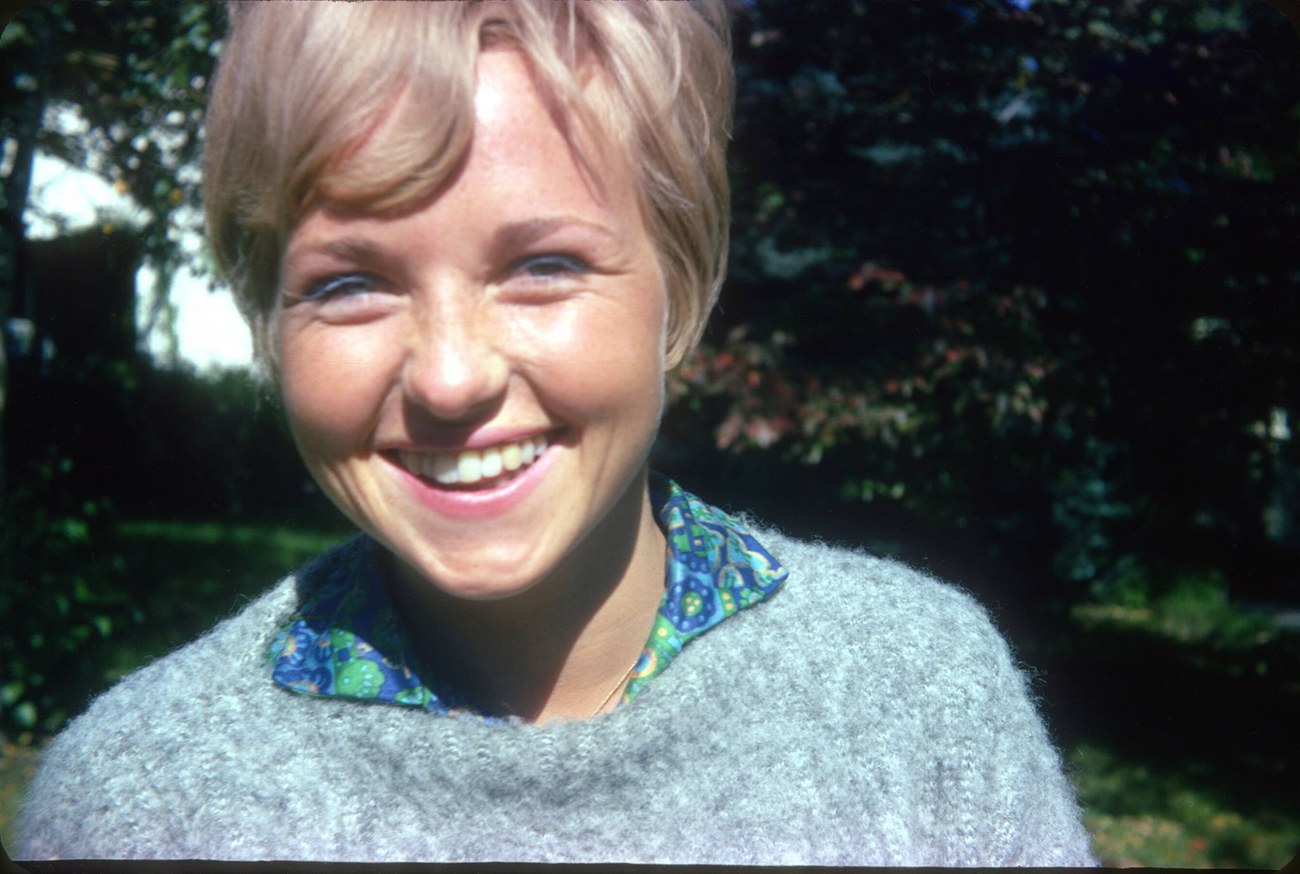
Eva was the kind of mother whose warmth set the temperature of a whole house. She held the daily architecture of her family together so quietly that it was easy to forget how much rested on her, until it did not.
She was diagnosed with endometrial cancer in May of 1996. Seven months later she was gone, at fifty-three.
Someone was looking. On April 18 a pathologist asked for a closer look. It took until May 17 to get it, and by then it had a name.
I was twenty-two.
In 1996 my mother was diagnosed with endometrial cancer. Seven months later she was gone. She was fifty-three. I was twenty-two.
In the final six weeks of her illness I left my career and came home to care for her. I learned the geography of a hospital room and the cruelty of a clock that moves too fast and too slow at once. When she died I did not simply lose a mother. I became, almost overnight, the person holding a family together.
My father had relied on her for the shape of an ordinary day: what to eat, when to leave, who to call. My brothers carried their grief in a silence they had never been given the language to name. Everyone was standing in the same house, and each of us was somewhere else entirely, alone inside the same loss.
Her death was not only a medical event. It was a family rupture, and in the years since I have come to understand that the two are never really separate.
The question that would not let go
For a long time I asked the questions grief asks. Why her. Why so fast. But eventually a different one took hold: why was there nothing to catch it sooner?
For cervical cancer, the Pap smear made early detection ordinary, something women simply expect. For endometrial cancer, the most common gynecologic cancer in the country, there is still no such expectation. Detection waits for symptoms, and symptoms, as my family learned, can arrive late.
What I took from it
Watching her illness taught me something at twenty-two that I have never let go of. No one will guard your health as closely as you can guard it yourself. So I started paying attention to my own body the way I wish someone had been able to pay attention to hers. I learned my patterns. I noticed what was normal for me and what was not. I asked questions, and when an answer did not sit right I asked again.
I trust experts. I also trust myself. I have never believed those two things have to be opposites. That is the muscle I want every woman to build, and it is the practical heart of this work. Not fear. Attention.
This Foundation is what I built from that question, and from that loss. It carries her name because she is the reason. It is built for the women who are still here, and for everyone who loves them, so that fewer families have to learn what mine did, the way mine did.
Amy Tucci, Founder
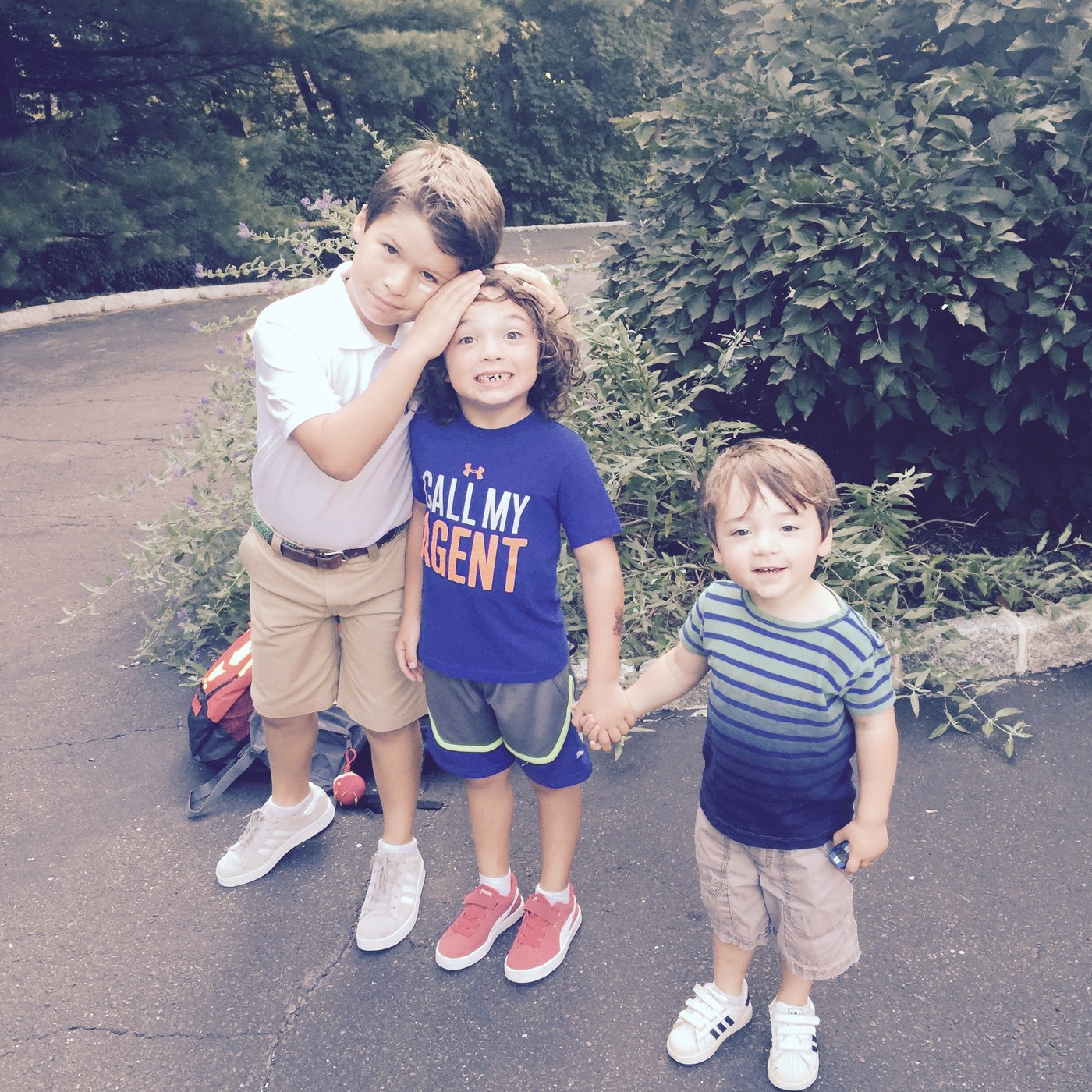
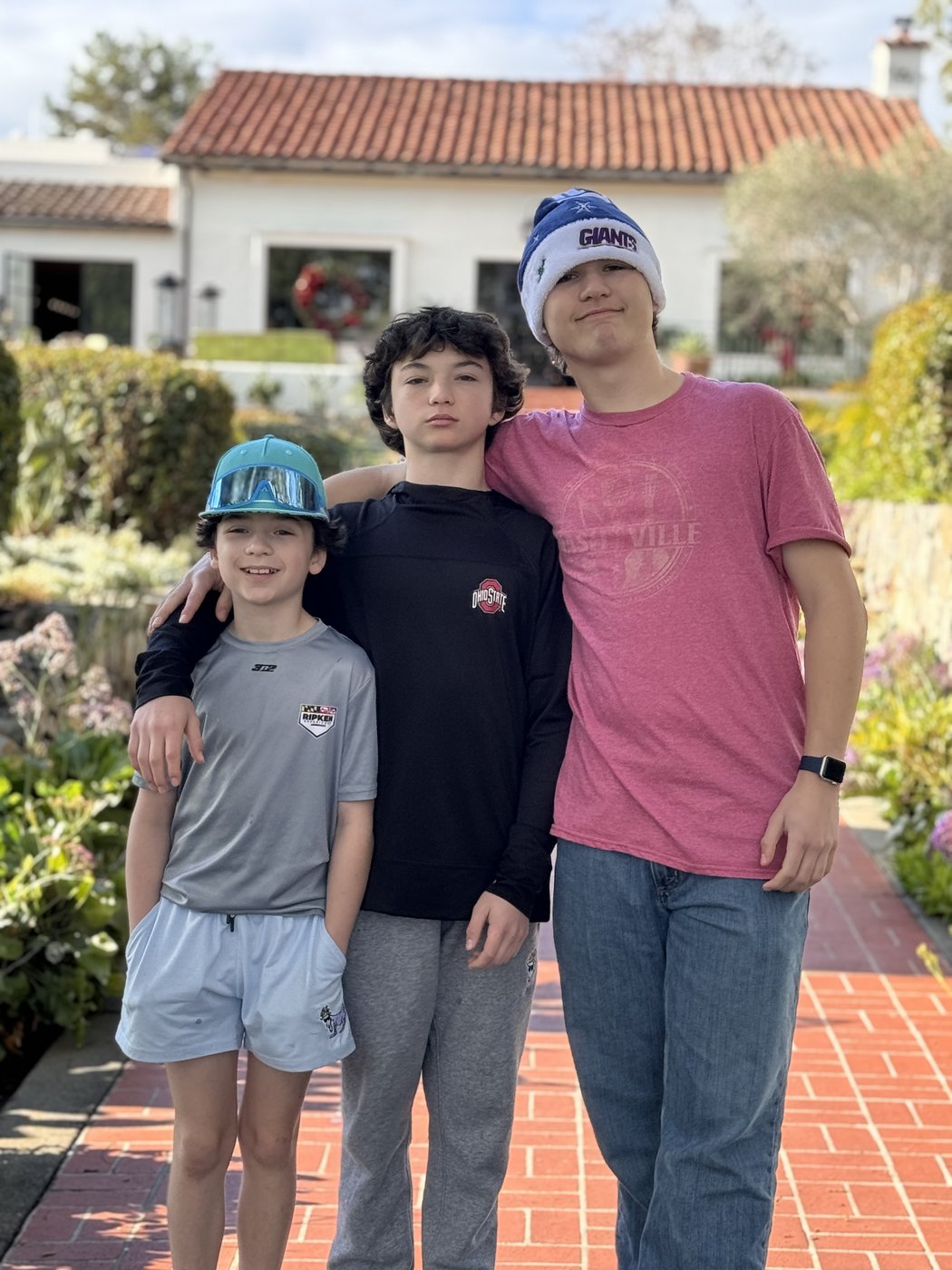
The grandsons she never met.
I have three sons. They will never know their grandmother. They know her the way you know someone from photographs and from the way other people say her name.
They are also the reason the Foundation talks to men and boys and not only to women. A diagnosis arrives in a woman's body and then moves through a household. Sons, husbands, fathers and brothers are often the people best placed to say out loud that something has been going on too long, and they are almost never given the words.
If you love a woman who is minimizing it
The family guide was written for exactly that conversation, including how to raise it without frightening anyone.
The life the statistics leave out.
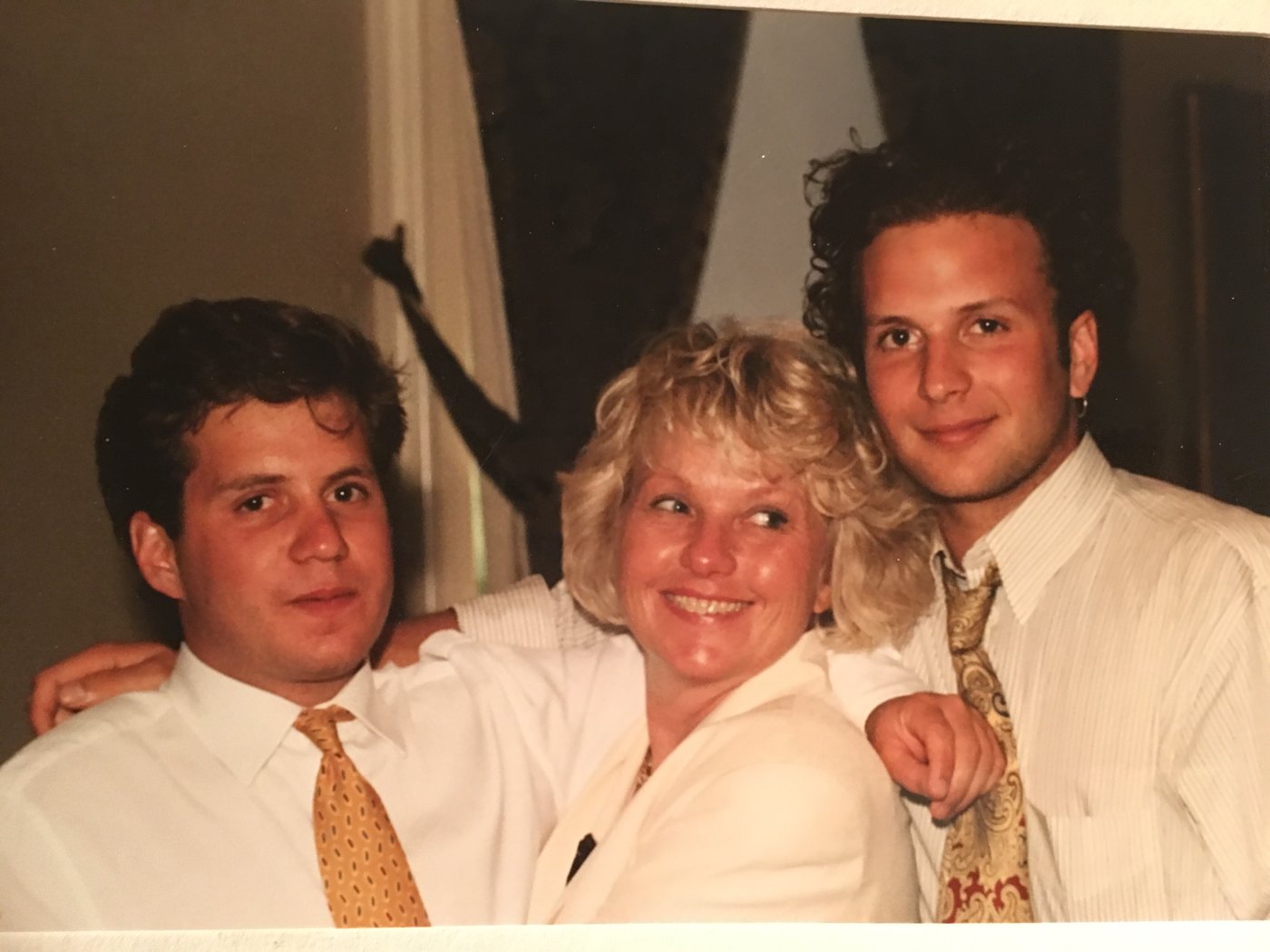
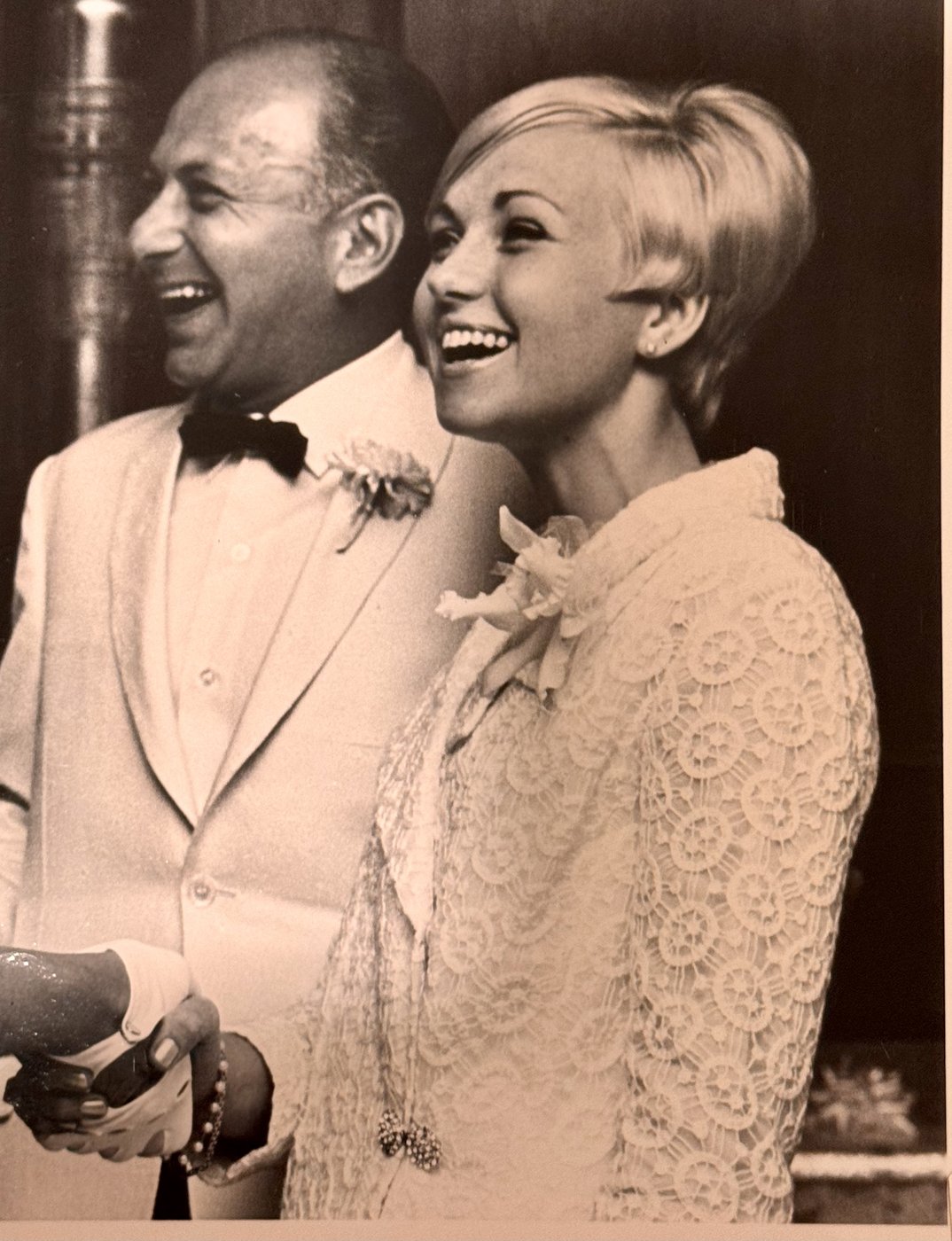
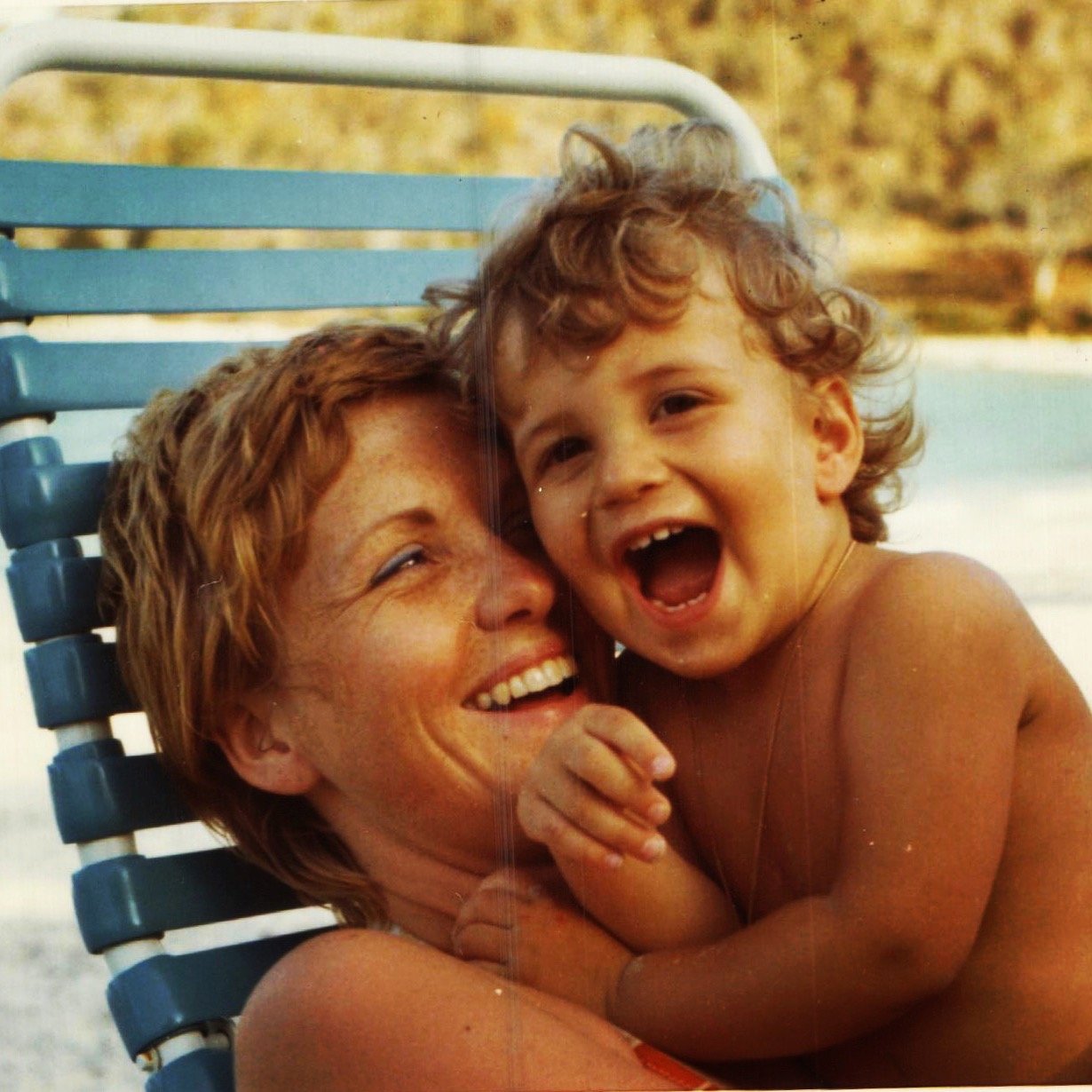
Still writing it down.
The Signal, on Wednesdays, is where the research and the arguments get written out in plain language. The Eva Diaries, on Fridays, is where the things that are harder to say go.