Five program areas.
One system.
Our work is not a set of isolated initiatives. It is a coordinated framework, five reinforcing program areas that together build awareness, understanding, and engagement around early detection. And unlike most women's health work, we build for the whole family, including the men and boys too often left out.
Education & Awareness
We develop and distribute educational materials that increase public and professional understanding of early detection for endometrial cancer, delivered through digital platforms, community partnerships, and informational campaigns. All materials are general in nature and do not constitute medical advice.
In practice, this may includePatient Expectation & Engagement
We create tools that help individuals become informed participants in their own care, guides, conversation frameworks, and educational prompts that reduce uncertainty and improve communication with clinicians, without directing clinical decisions.
In practice, this may includeClinical Pathway & Systems Awareness
We support awareness of how early-detection concepts can integrate into healthcare systems, through convenings, dialogue, and the development of general frameworks. The Foundation does not establish clinical protocols or provide care.
In practice, this may includeAccess & Equity
We work to ensure our efforts reach populations facing barriers to healthcare, through partnerships, accessible materials, and targeted outreach. The goal is to reduce disparities in awareness and access to information.
In practice, this may includeProgram Evaluation & Continuous Improvement
We measure what we do. Through non-clinical engagement metrics and feedback, every program follows a cycle of development, distribution, listening, and refinement, so the work gets better over time.
In practice, this may includeDesigned to work together.
These areas reinforce one another: awareness creates engagement, engagement informs systems, equity widens reach, and evaluation improves it all.
Partner with a programThese are not abstractions. They are already free to download.
Our first education materials, the warning signs, the questions to ask your doctor, and what a Pap smear does and does not catch, are ready right now. Take them, print them, share them.
We don't leave out the men and boys.
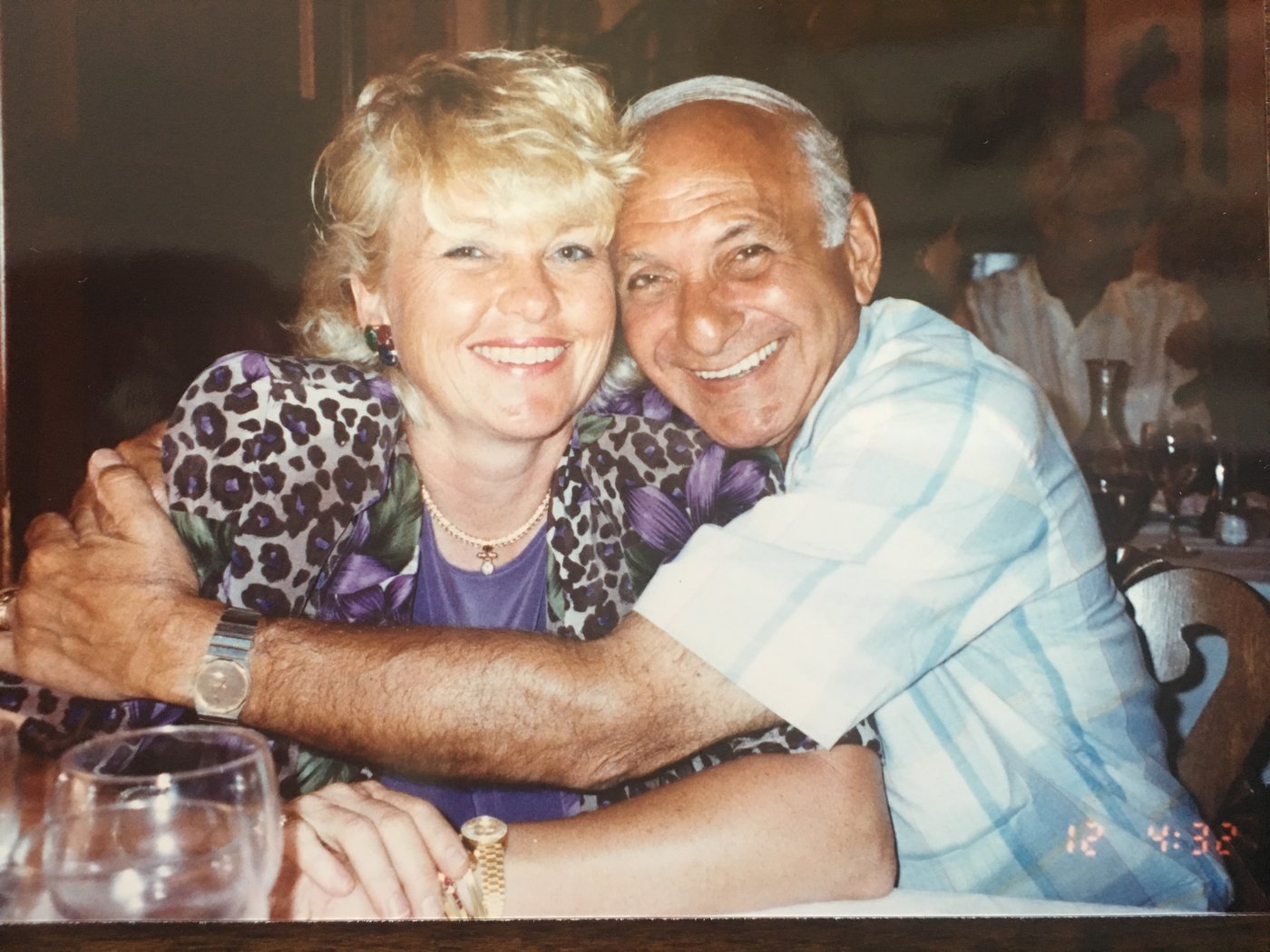
Most women's health organizations speak only to women. But when Eva died, it was not only a daughter who was changed. Her husband lost his partner and his compass. Her sons lost their center, and grieved in a silence no one had taught them to break.
Cancer begins in a woman's body, but it moves through everyone who loves her. A foundation that ignores that is only telling half the story.
An invitation to the husbands, fathers, sons, and brothers.
The men in a woman's life are not bystanders to her health. We build resources and conversations that help them learn what to watch for, how to show up, and how to push for earlier answers alongside the women they love. We believe the people too often left out of women's health can become its fiercest advocates, and we are building the room for them to do it.
Build, share, listen, improve.
A typical initiative begins with the development of clear, accessible content. It is refined for clarity, distributed through the right channels, and then measured, feedback in hand, we improve and begin again. Programs are developed internally and delivered through digital platforms, partnerships, and community outreach, with Board oversight to keep every activity aligned with our charitable purpose.
All of our activities serve the public broadly. None depend on, or exist to promote, any specific product, technology, or commercial entity.
As our capacity grows, so will our programs, partnerships, and reach. The model is built to scale, and built to adapt to advances in women's health as they emerge.
Programs only exist when people fund them.
Your support turns this framework into materials, partnerships, and outreach that reach the women who need it most.